Atmospheric Water Generator: How It Works and Is It Worth Buying in India?
Open a tap in most Indian cities and you already know the routine. Water comes at fixed hours, if it comes at all. Then there is the RO purifier in the kitchen, the 20-litre can at the office, and the tanker you call when the week goes badly. We have built a whole system of workarounds around water, and most of us have stopped questioning it.
So when someone says you can pull drinking water straight out of the air, it sounds like a gimmick. It isn't. The atmospheric water generator is working, practical technology, and in India it is getting real attention from homes, offices, hotels and industries. The honest question is whether one is worth buying. Let's go through it properly.
What is an atmospheric water generator?
An atmospheric water generator, usually shortened to AWG, is a machine that collects the moisture already present in the air and turns it into liquid water. Air is never truly dry. Even on a hot afternoon it carries water vapour. An AWG cools the incoming air until that vapour condenses into droplets, much like a cold glass of water “sweats” on a warm day. The droplets are collected, treated and made fit to drink.
That is the core idea behind atmospheric water generation. The clever engineering is in what happens after condensation, because freshly condensed water is not something you would want to drink straight away. It has to be cleaned, sterilised and balanced first. That is where a well-built air water generator separates itself from a basic dehumidifier.
How does an air water generator work?
Aeronero's machines run on ConDessa™ technology, a patented process that copies the natural water cycle: condensation, mineralisation and sterilisation. In practice the water passes through six stages.
1. Air filtration. Dust, airborne particles and other contaminants are removed from the air before it goes anywhere near the cooling system.
2. Cooling and condensation. The clean air is cooled so the moisture in it turns into fresh water.
3. Pre-carbon filter. Chlorine, odours and organic contaminants are taken out.
4. Post-carbon filter. A second carbon stage improves taste and clears any leftover odour.
5. Ultra UV purification. Ultraviolet treatment eliminates bacteria and other harmful microorganisms.
6. Mineralisation. Essential minerals are added back, and the pH is held in an alkaline range of 7.0 to 8.5.
The end product is alkaline, mineral-rich drinking water that tastes the way water should. If you want the full technical picture, the Technology page walks through each stage.
Why water from air makes sense in India
India's water story is a tricky one. Groundwater is being drawn down faster than it refills in many regions. Municipal supply is unpredictable. Tankers are expensive, and their quality is anyone's guess. The usual fix is a home RO system, but RO purifiers send away a large share of the water they process as waste. Aeronero's own comparison puts RO and bottled water wastage at more than 50%.
Bottled water brings its own problems. It means plastic, transport, storage and a lot of human handling between the plant and your glass, and every one of those steps is a chance for contamination.
The bigger picture is not comforting either. By 2050, more than 60% of the world's population is expected to face water stress. Seen that way, a source that does not depend on rivers, borewells or tankers starts to look less like a novelty and more like a sensible addition to the mix.
This is the real appeal of a water from air machine. It uses moisture that is already all around you, so it does not draw down groundwater or rely on a delivery truck.
Which atmospheric air water generator is right for you?
Aeronero builds its air-to-water range in four sizes, so you do not have to pay for capacity you will never use.
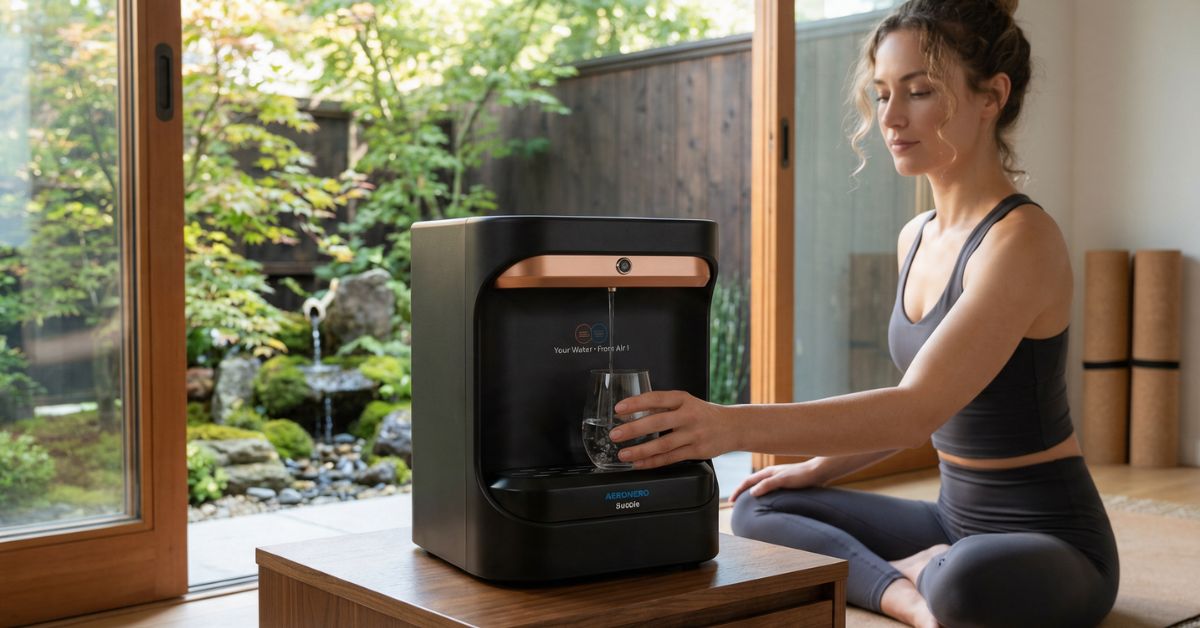
If you are a household, Bubble is usually where the conversation starts. Bigger families and small businesses can look at Drizzle, and for anything larger, Thunder and Airwell are built for scale.
So, is it worth buying in India?
Here is the straight answer: it depends on what you need, but for many buyers the case is stronger than they expect.
What works in its favour
• Independence. You are not tied to a tap, a tanker or a borewell.
• Cost per litre. Aeronero's comparison lists its water at about Rs. 3.5 per litre, against about Rs. 4 for both RO and bottled water.
• No plastic and no wastage. There are no bottles to buy or dispose of, and unlike RO, there is no reject water stream.
• Consistent quality. The same six-stage process runs every time, so the water does not change with the season or the tanker driver.
What to weigh honestly
• Upfront cost. An AWG costs more to buy than a basic RO purifier. The saving shows up over time, not on day one.
• Electricity. Cooling air takes power, so check your supply and plan for it.
• Climate. Condensing water from air works best when the air carries plenty of moisture. Output can vary with local humidity and temperature, so it is worth asking the team what to expect at your location.
• Maintenance. Like any purification system, filters need regular replacement to keep the water safe.
The verdict: it is worth it if you want a dependable, long-term, low-waste source of drinking water, or if your site has poor water access. It may be overkill if you only need a few litres a day and already have a clean, reliable supply.
Questions to ask before you buy
Before you commit to any atmospheric air water generator, run through this short list:
• How many litres do I really need each day? Count drinking and cooking water, not just what ends up in a glass.
• Where will it be installed? The machine needs airflow, a power point and a sensible spot for the dispenser.
• What certifications does the brand hold? Aeronero displays ISO, WHO GMP and FSSAI credentials, among others, on its website.
• What does servicing look like? Ask about filter schedules, response times and who to call.
• Can I see it working? A demo tells you more than any brochure.
Final thoughts
An atmospheric water generator is no longer science fiction, and it is not a toy. It is a practical answer to a very Indian problem: water that is unreliable, wasteful or wrapped in plastic. Whether it is worth buying comes down to your daily need, your location and how long you plan to use it. For a growing number of homes and businesses, the numbers and the peace of mind add up.
If you are weighing your options, contact the Aeronero team for a demo, or call 1800 419 4190 to talk through which model fits your space.